5 Reasons to Take a Guided Tour of the Outback
By Janine Gowenlock7 min read
The Outback Has a Way of Humbling You
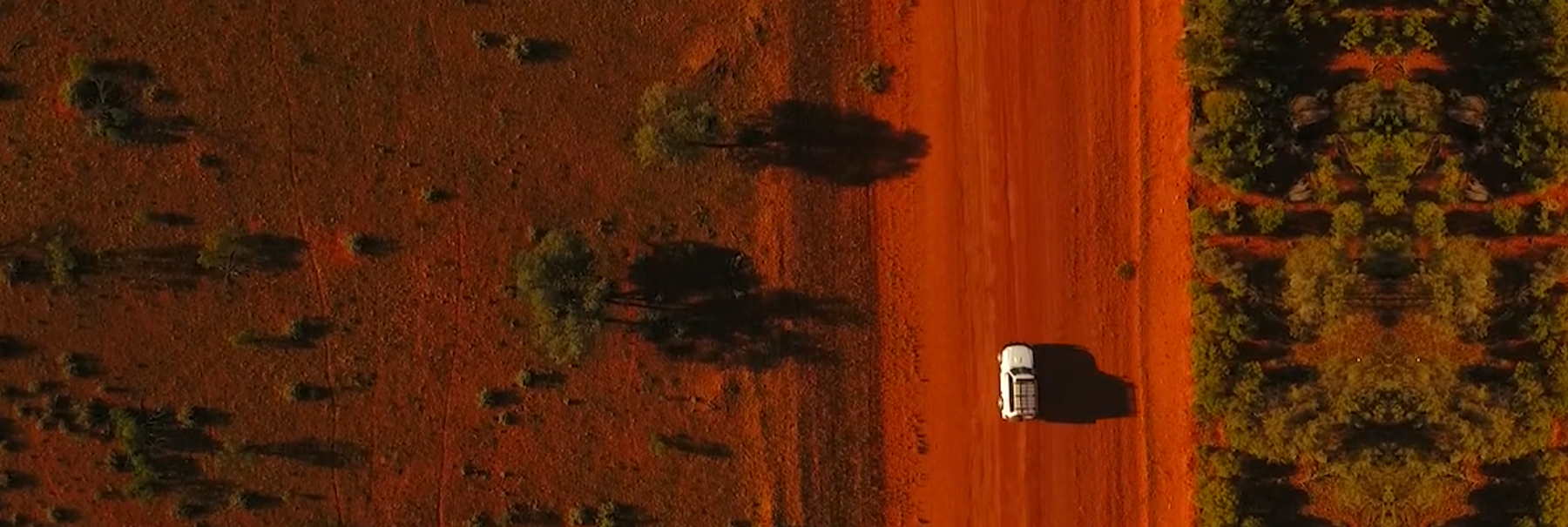
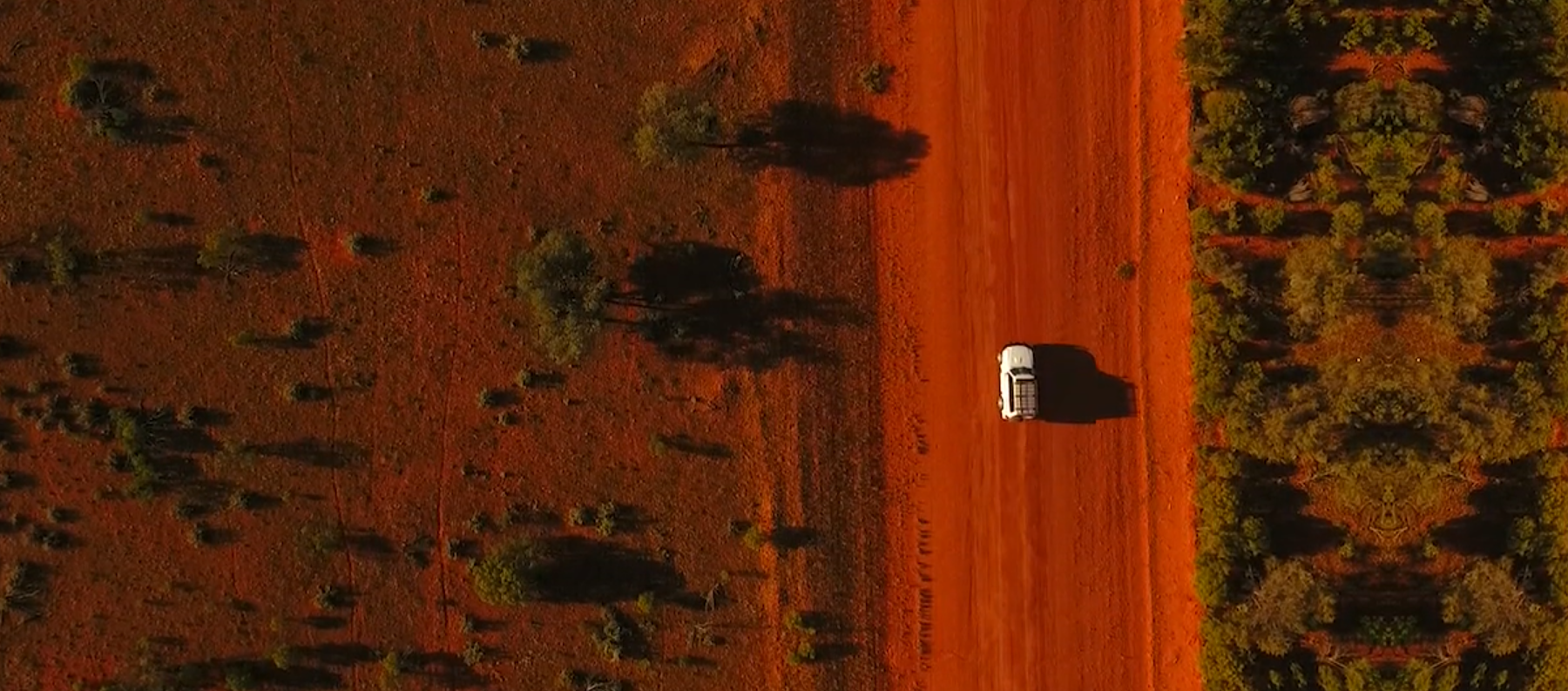
You’re three hours west of Broken Hill. The red dust is thick on the windscreen, the signal bar on your phone disappeared an hour ago, and you’re starting to second-guess the turn you took back at the unmarked junction. The landscape is extraordinary — but you’re too stressed to enjoy it.
This is the reality for many travellers who attempt outback Australia on their own. The country is breathtaking, ancient, and genuinely like nowhere else on earth. It also demands respect, preparation, and — ideally — someone who knows it well.
Guided outback tours Australia-wide attract travellers for exactly this reason. A guided outback tour isn’t the easy option. It’s the smart one. Here’s why.
1. Local Knowledge Is the Difference Between a Good Trip and an Unforgettable One
You can read every travel blog and download every offline map, but nothing replaces someone who has driven these roads hundreds of times and knows the land like a familiar friend.
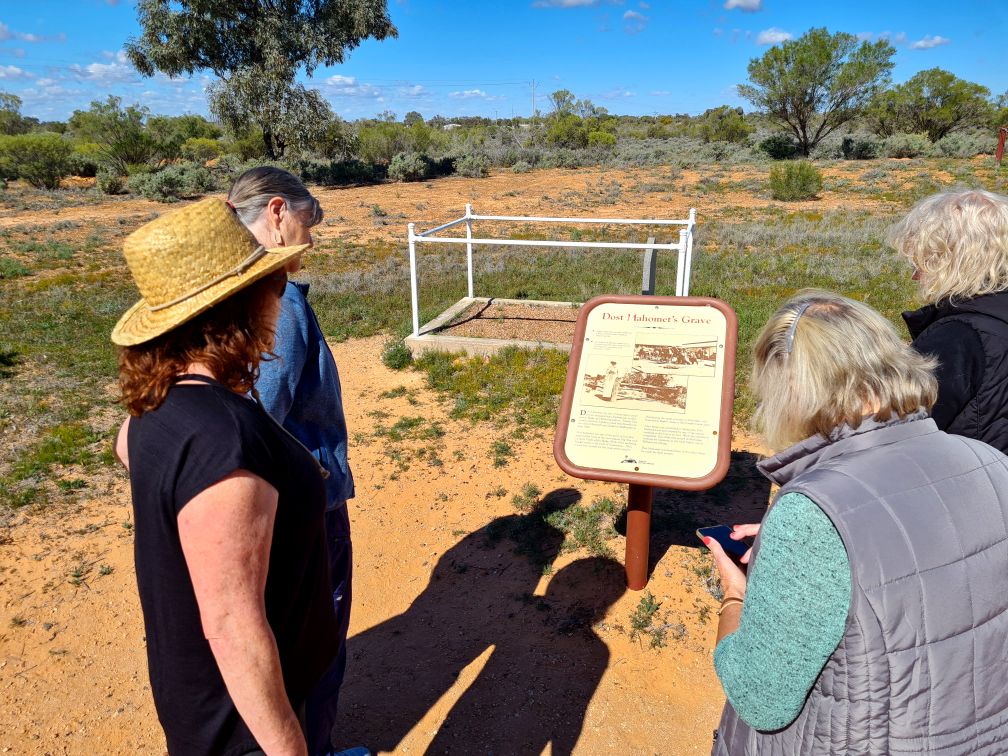
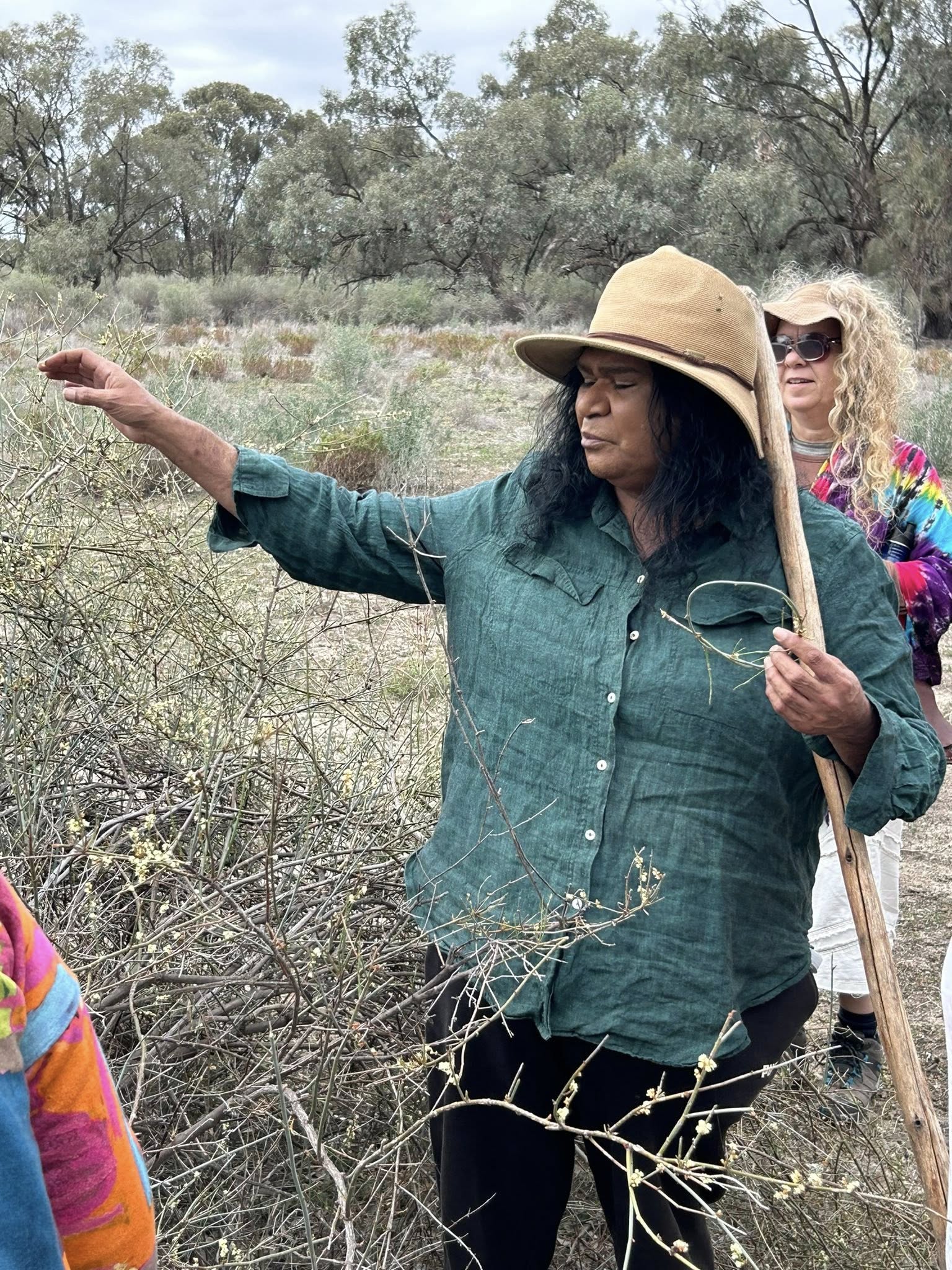
A great guide doesn’t just tell you where you are — they tell you what happened here, who walked this country before you, and why that particular rock formation, dry lake bed, or ancient tree matters. That context transforms sightseeing into something that stays with you long after the trip ends.
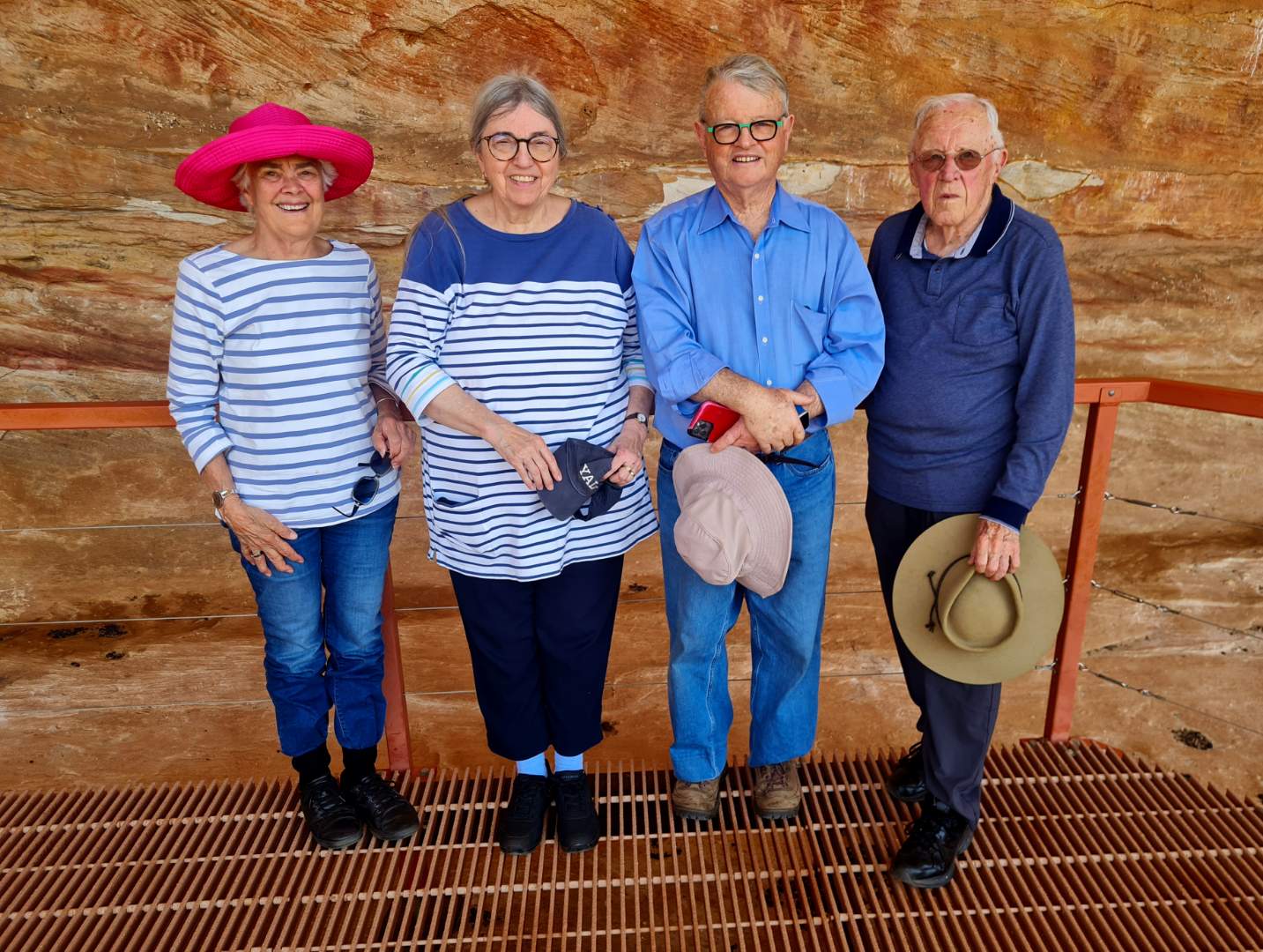
In a place like Mutawintji National Park, for example, the surface-level experience is already stunning — ancient gorges, wildlife, rock pools. But when you understand the deep Aboriginal history woven into every surface, the significance of the ochre markings, and the stories that have been carried across generations, the whole place opens up in a different way. A knowledgeable guide makes that possible. Going solo, you’d be looking at remarkable scenery. With the right guide, you understand what you’re actually standing in front of.
The same is true across every stop on a well-designed outback tour in NSW. Broken Hill’s history as a mining town, the ecological story of Menindee Lakes, the cultural weight of Mungo National Park — these places reward depth. Guided travel delivers it.
2. Safety Out Here Is Not Something to Improvise
The Australian outback is not unfriendly. But it is unforgiving if things go wrong and you’re not prepared.
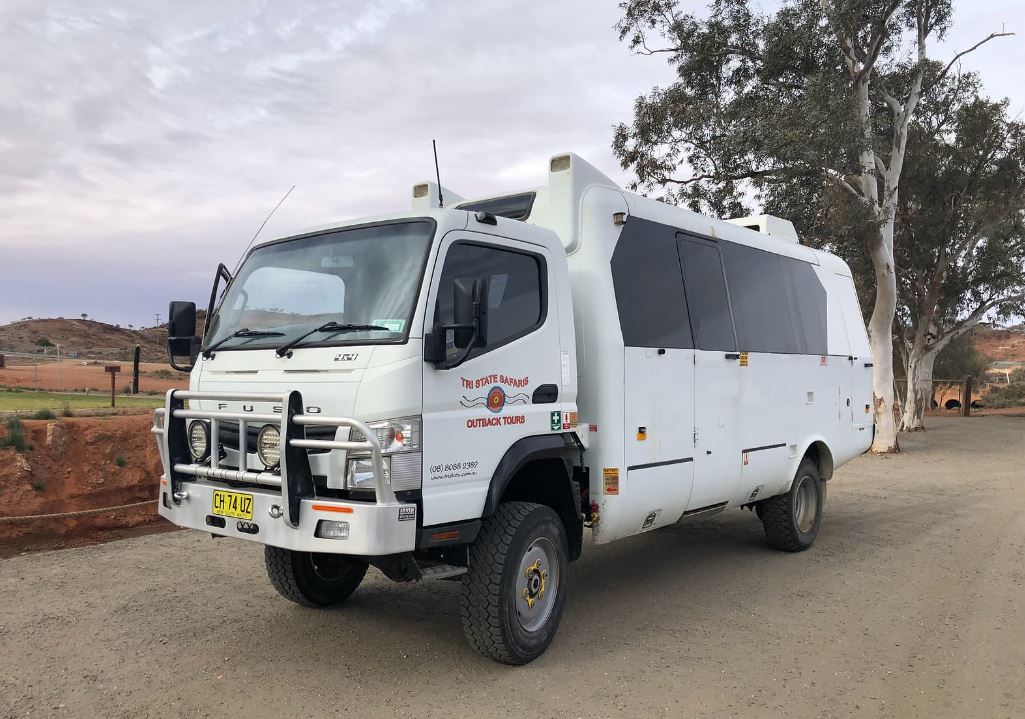
Extreme heat, remote roads, wildlife, unreliable mobile coverage, and distances that can easily catch travellers off guard — these aren’t reasons to avoid the outback, but they are very good reasons to travel with people who know how to manage them. A reputable guided tour outback Australia operator has contingency plans, communication equipment, vehicle support, and the experience to read conditions before they become problems.
For travellers in the 50-plus age bracket especially, this peace of mind is genuinely valuable. You want to be fully present in one of the most remarkable landscapes on the planet — not managing logistics, monitoring tyre pressure, or wondering whether you packed enough water for an unexpected delay.
When the practical and safety layer is handled by someone else, your only job becomes enjoying yourself. That’s not laziness. That’s wisdom.
3. You Get Access to Places You Simply Cannot Reach Alone
This is one of the most underrated advantages of guided travel, and it’s particularly relevant on outback tours in NSW.
Some of the most significant and spectacular places in the region require permits, prior approval, or cultural authorisation to enter. Others are physically accessible only with the right vehicle, local knowledge, and experience navigating roads that don’t appear on standard maps. And others still are only meaningful if someone with the right credentials and relationships can facilitate access to the stories and the people connected to them.
Mutawintji National Park is a perfect example. Access to certain sacred and culturally sensitive areas is only possible with an authorised guide. The Mutawintji Local Aboriginal Land Council oversees cultural tours in the park — and rightly so. Without that relationship and that access, you’re seeing the edges of something extraordinary rather than the heart of it.
Kinchega National Park and the vast, surreal landscape around Menindee Lakes rewards travellers who know where to look. Mungo National Park — a World Heritage listed site containing some of the oldest human remains ever discovered — carries a weight that deserves to be felt properly, not rushed through on a self-guided loop.
A good guided outback tour gets you into these places. More importantly, it gets you into them properly.
4. The Cultural Depth Is Irreplaceable
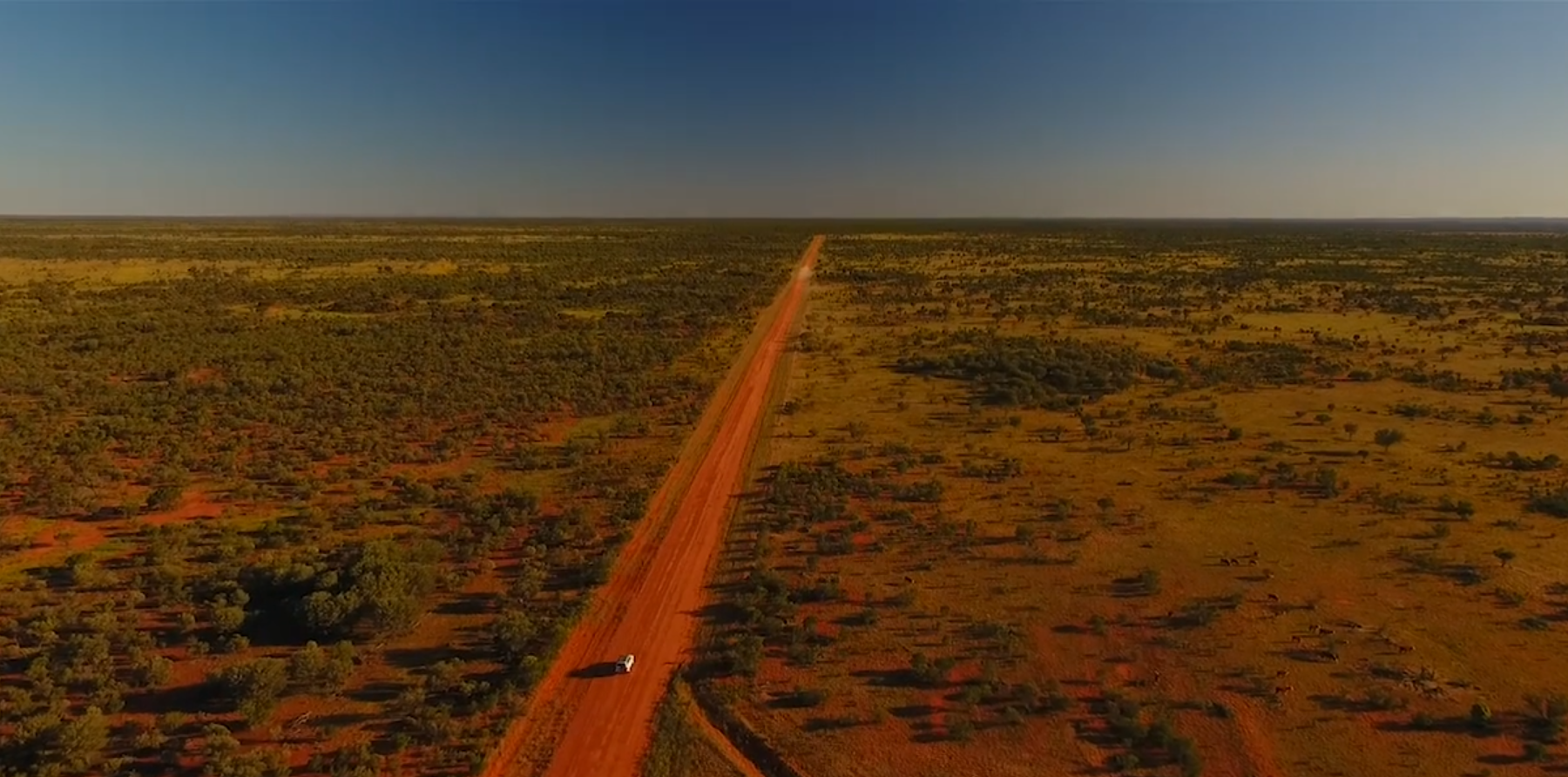
Australia’s outback is one of the oldest continuously inhabited landscapes on earth. That’s not a line in a brochure — it’s a fact that fundamentally changes how you experience this country when you genuinely engage with it.
The Indigenous history of western New South Wales alone spans tens of thousands of years. Mungo National Park sits within Willandra Lakes, a UNESCO World Heritage Area where the remains of Mungo Lady and Mungo Man — among the oldest human skeletal remains ever found — were discovered. The ochre hand stencils and engravings at Mutawintji were placed there by people whose connection to this country runs deeper than most of us can fully comprehend.
A guided tour that takes this seriously — and works with community and country in a respectful, informed way — gives you a relationship with this landscape that self-drive travel rarely delivers. You’re not just passing through. You’re being introduced.
For Australian travellers who want to genuinely understand their own country, the outback’s cultural layer is not optional. It’s the point. That’s what separates a genuine guided tour outback Australia experience from a drive-by.
5. The Stress-Free Factor Is Real — and Worth More Than You Think
There’s a certain type of traveller who has earned the right to stop fighting every detail of a trip. You’ve done the camping with kids, the marathon road trips, the self-catering in places that didn’t quite deliver. You want the adventure — but you also want to arrive at camp and have it be ready.
Small group tours of the outback remove the mental load that turns a holiday into work. Route planning, fuel stops, campsite bookings, meal preparation, gear logistics, knowing which road is passable after rain — all of that disappears. What replaces it is the freedom to be genuinely present.
You can watch the light change on a dry lake bed without checking if you’ve left enough time to set up camp. You can linger over a conversation with a fellow traveller without one eye on the itinerary. You can wake up and watch the outback come alive at dawn without thinking about anything except how extraordinary it is to be standing in it.
That’s the version of outback travel that stays with you for years. And it’s a lot easier to achieve when someone else is holding the logistics.
So, Guided or Self-Drive?
If you’re fit, experienced with remote 4WD travel, well-equipped, and travelling with someone who shares the load — self-drive outback travel can be spectacular. It’s not for everyone, and it’s not for every route.
But if you want to go deeper into the country, access places that aren’t open to the public without authorisation, understand what you’re actually looking at, and return home genuinely rested rather than exhausted from managing every detail — guided outback tours Australia-wide consistently deliver what self-drive can’t.
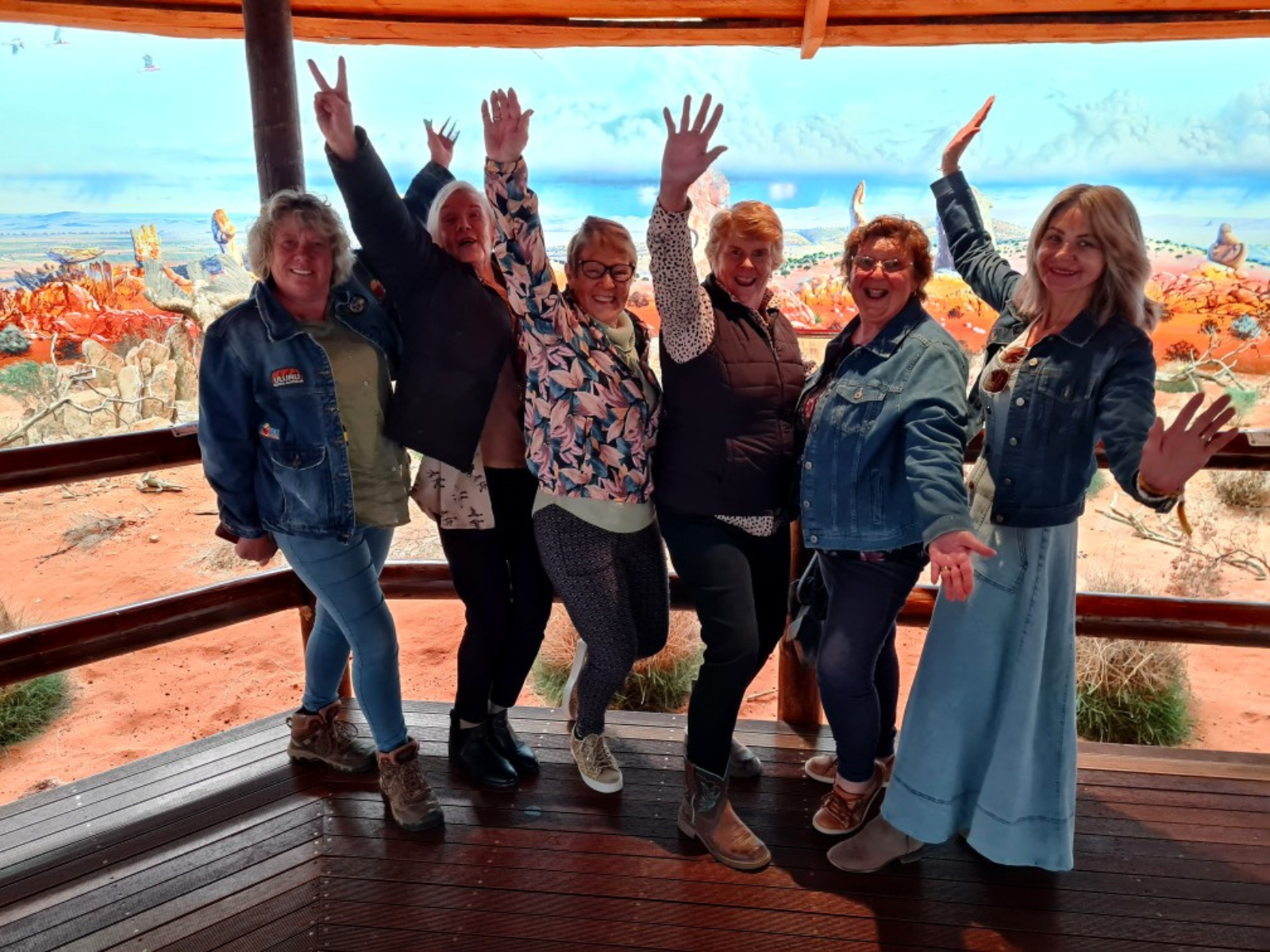
There’s also something to be said for the people you meet. Small group tours of the outback bring together travellers who share a curiosity and an appetite for genuine experience. The conversations around a campfire, with a sky full of stars above you and a knowledgeable guide nearby, have a way of becoming some of the best parts of any trip.
Ready to See It for Yourself?
The 5-Day Outback Adventure with Overland Adventures is built around everything in this article — local knowledge, cultural depth, safe and supported travel, and access to some of the most significant landscapes in Australia, including Mutawintji National Park, Menindee Lakes, Kinchega National Park, Mungo National Park, and the remarkable town of Broken Hill.
It’s a small group tour of the outback designed for travellers who want more than a drive-by. It’s for people who want to actually know it.
View tour details and book your place →
Explore more from the Overland Adventures blog: