What to Pack for an Outback Australia Road Trip
By Janine Gowenlock5 min read
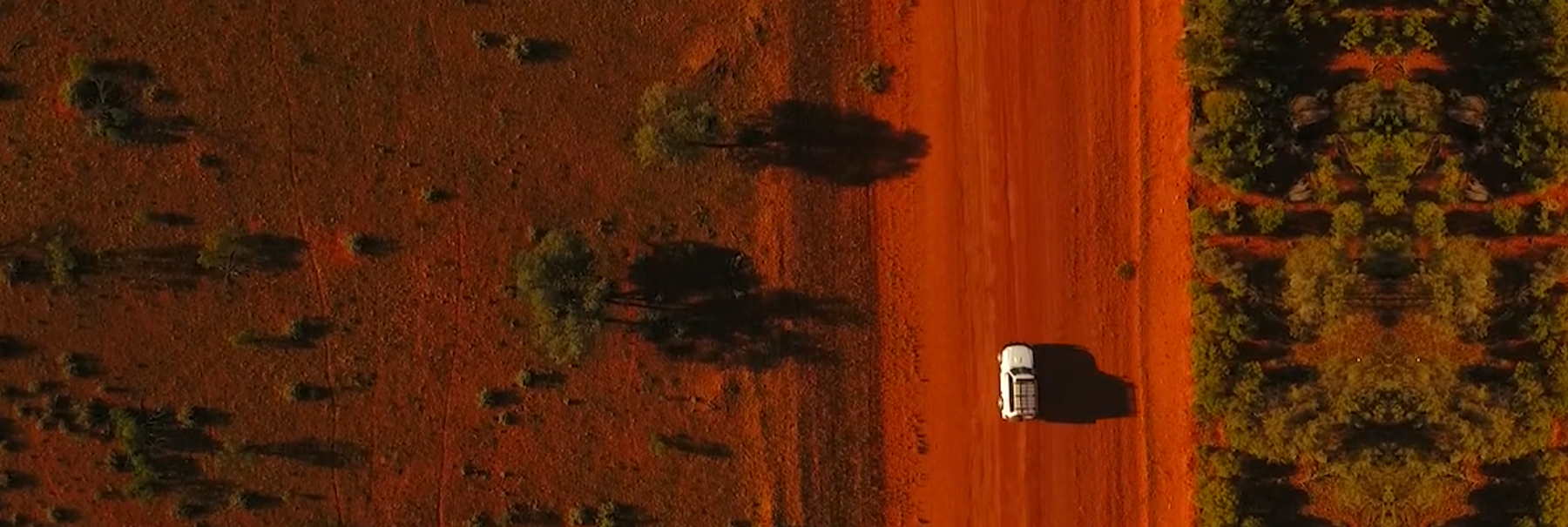
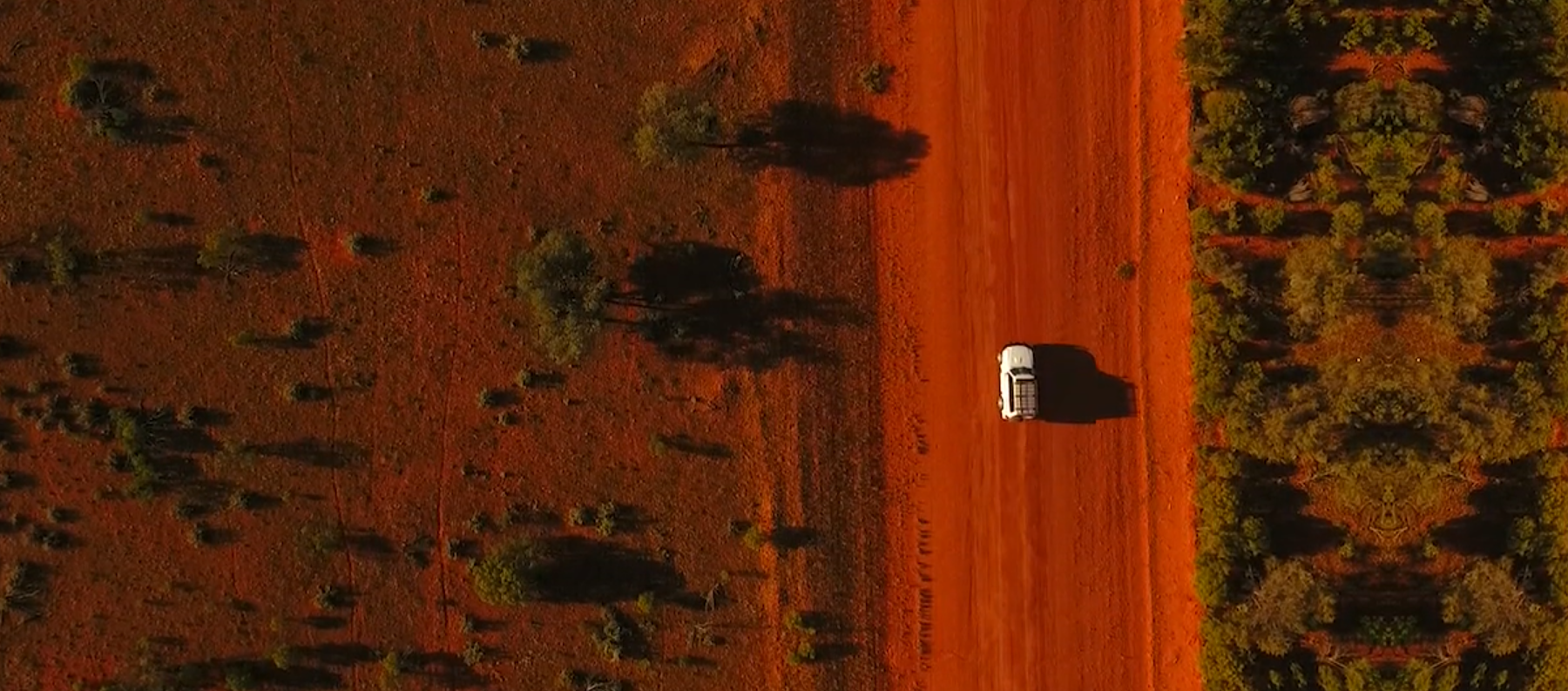
The outback doesn’t forgive unpreparedness. That’s not meant to scare you — it’s just the truth. Between Broken Hill and Tibooburra, between Menindee Lakes and the edge of Kinchega National Park, you’ll find some of the most breathtaking country in Australia. You’ll also find no phone signal, no servo, and temperatures that can swing 20 degrees in a single afternoon.
Pack well and this country will reward you. Pack poorly and you’ll spend your trip managing problems instead of enjoying the landscape.
This outback Australia road trip packing list is built for real conditions in western NSW. Not a camping catalogue. Not a generic checklist. Practical advice from people who know this country.
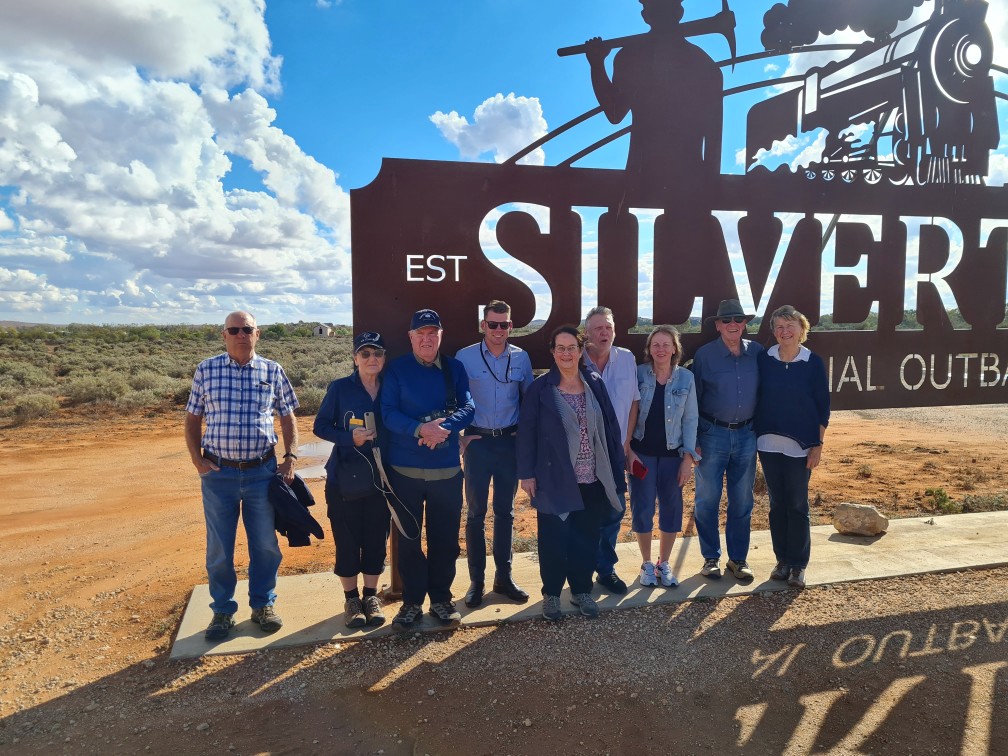
Clothing: Dress for the Country, Not the Season
Western NSW looks like it should be a summer-only destination. It isn’t. Nights out near Mutawintji can drop below 10°C even in April. Pack for both extremes.
- Lightweight long sleeves and long pants — sun protection and warmth in one
- Fleece or merino mid-layer for evenings around camp
- Wide-brim hat — not a cap, a proper hat with neck coverage
- Sturdy closed-toe shoes or boots — spinifex, stones, and uneven ground are everywhere
- Light waterproof layer — rare, but rain in outback NSW can strand vehicles fast
Avoid white or very light fabrics near red dirt. You’ll thank yourself later.
Sun and Heat Protection
The UV index in Broken Hill regularly hits 11 or above from October through April. This is not metropolitan sun.
- SPF 50+ sunscreen, applied before you get in the car — not just when you stop
- UV-protective sunglasses, polarised if possible
- Cooling towel or bandana
- A quality pair of sun gloves if you’re driving long stretches
Water and Food
This is where corners cannot be cut. Water is the non-negotiable item on any outback Australia road trip packing list.
Carry at least 10 litres per person per day beyond your planned needs. Not 10 litres total — 10 litres buffer. A breakdown or a wrong turn can turn a 3-hour drive into an overnight situation.
For food:
- High-protein, non-perishable snacks — nuts, jerky, muesli bars
- A quality cooler and ice for perishables on shorter trips
- A camp stove and basic cooking kit if you’re going remote
Don’t rely on finding food past Broken Hill’s main street unless you’ve confirmed it in advance.
Vehicle and Safety Essentials
If you’re self-driving into remote western NSW, your vehicle is your lifeline.
- Two spare tyres — one isn’t enough on corrugated dirt roads
- Tyre repair kit and portable air compressor
- Recovery tracks (MaxTrax or similar) if heading off-formed roads
- Jumper cables or a lithium jump starter
- Basic tool kit and spare engine belts
- Emergency water stored separately from your main supply — in case the car dies and you’re waiting for help
Check road conditions before you leave. Broken Hill’s local council and the NSW Roads and Maritime Services site both carry updates.
Navigation and Communications
Phone signal disappears fast once you’re west of Cobar. Assume you’ll have none.
- Offline maps downloaded before you leave (Maps.me or Hema Explorer work well)
- A physical road atlas — Hema’s outback maps are the standard
- PLB (Personal Locator Beacon) — register it with AMSA before you go, non-negotiable for remote travel
- Satellite communicator (Garmin inReach or similar) if you want two-way messaging
- Tell someone your route and expected return date before you leave
Photography Gear
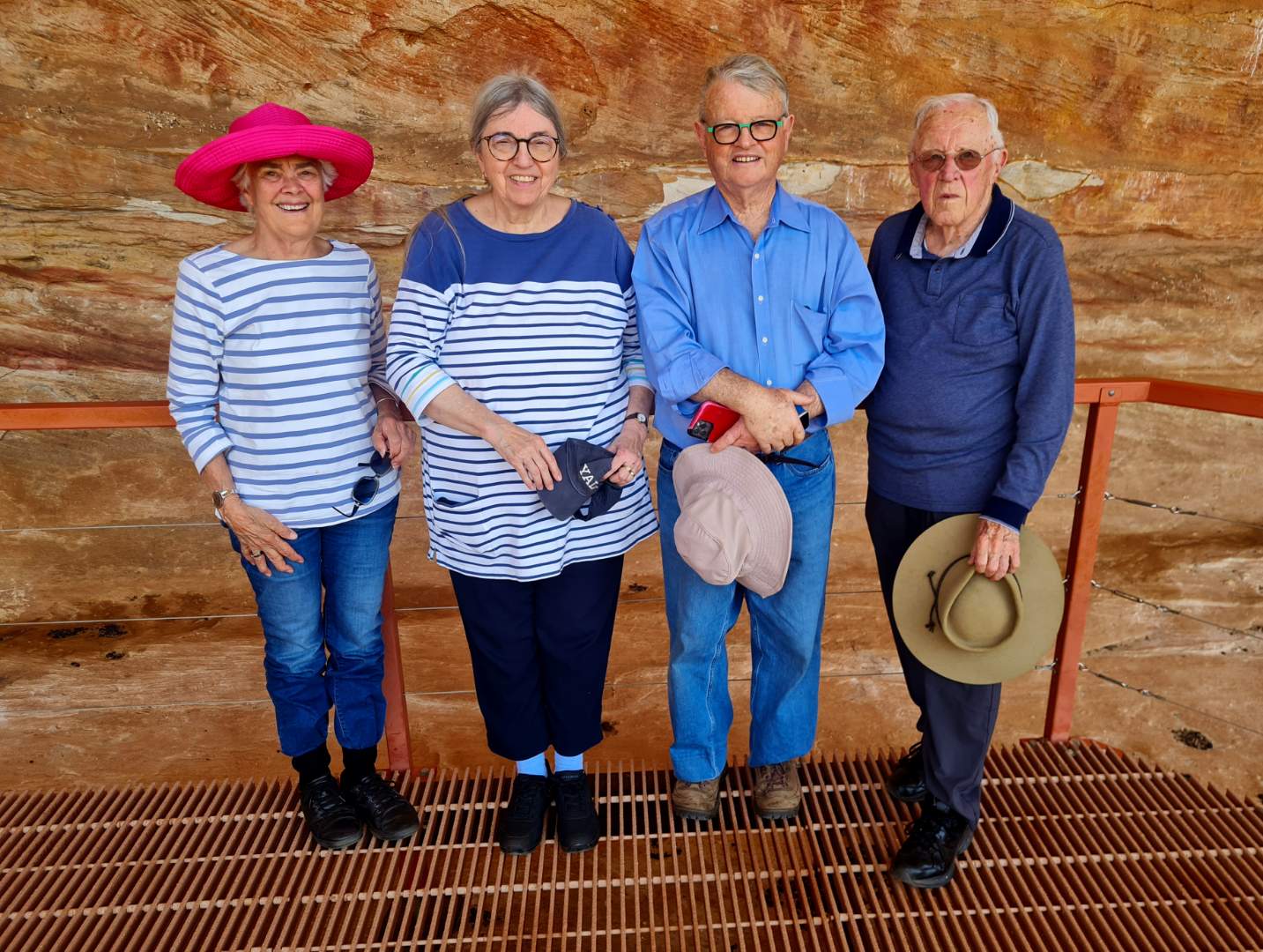
Western NSW is extraordinary to photograph. Red plains, ancient rock art at Mutawintji, the silhouette of the Broken Hill horizon at dusk. Come prepared.
- Extra memory cards and a portable hard drive — you’ll take more shots than you think
- Dust bags or a dry bag for your gear — fine red dust gets into everything
- Polarising filter for landscape shots
- Spare batteries — charging opportunities are limited
Shoot golden hour. Early morning and late afternoon light in outback NSW is extraordinary.
Health and First Aid
- Comprehensive first aid kit including blister treatment and wound closure strips
- Personal medications with extra supply — don’t assume you can fill a script in remote areas
- Antihistamines for insect bites and dust reactions
- Electrolyte sachets — heat exhaustion happens fast when you’re not drinking enough
- Snake bite bandages — compression bandages, not tourniquets
Know the location of the nearest hospital before you depart. Broken Hill Base Hospital is the main facility for the region.
What NOT to Bring
- Too much luggage — vehicle weight matters on rough roads and overpacking kills fuel efficiency
- Fragile or expensive gear without proper protection — dust and corrugations destroy things
- Overconfidence — the number of rescues in outback NSW involving experienced travellers who underestimated conditions is not small
Prefer Someone Else to Handle the Logistics?
A self-drive outback road trip is deeply rewarding — and a serious undertaking. If you’d rather focus on the country instead of the planning, a guided tour changes everything.
Tri State Outback Adventures runs small-group tours out of Broken Hill into some of the most spectacular country in western NSW — Mutawintji National Park, Menindee Lakes, Kinchega, and Mungo. Everything is handled: transport, accommodation, meals, and local guides who know these landscapes intimately.
No packing spreadsheets. No tyre changes. Just the country.
Explore upcoming tours at tristate.com.au
Every outback Australia road trip packing list comes down to one thing: respect for the country you’re travelling through. Pack smart, go prepared, and western NSW will give you something you’ll carry for the rest of your life.